Sigiriya Rock Fortress
Best time
January to April for clearer skies and comfortable climbing.
Ideal stay
Half day or 1 day
Region
Cultural Triangle (Sigiriya)
Climate
Warm and dry with strong sun during midday.
History
How Sigiriya Rock Fortress became one of Sri Lanka’s cultural highlights
Built by King Kashyapa in the 5th century as a royal citadel.
Famed for its frescoes, mirror wall, and advanced water gardens.
Later used as a monastery and remains a UNESCO World Heritage Site.
Significance
Why Sigiriya Rock Fortress matters
One of Sri Lanka’s most important archaeological treasures.
A masterpiece of ancient urban planning and engineering.
A UNESCO-listed site with world-famous frescoes.
Top attractions
Essential stops for your Sigiriya Rock Fortress itinerary.
Lion Rock Summit
Ruins of the royal palace and panoramic views.
Frescoes Gallery
Ancient paintings of the Sigiriya maidens.
Water Gardens
Symmetrical gardens and ancient fountains.
Lion Paws Terrace
Massive carved paws marking the final ascent.
When to Visit
- Early morning for cooler temperatures and fewer crowds.
- January to April offers the clearest views.
- Avoid midday heat during the climb.
What to Wear
- Light, breathable clothing and sturdy shoes.
- A hat and sunscreen for the exposed climb.
- Carry water for the ascent.
How to Get There
- Private car from Kandy or Colombo via Dambulla.
- Bus to Dambulla, then tuk-tuk to Sigiriya.
- Stay in Sigiriya or Habarana for easy access.
Location Map
Plan your route to Sigiriya Rock Fortress
Photo Gallery
Highlights of Sigiriya Rock Fortress
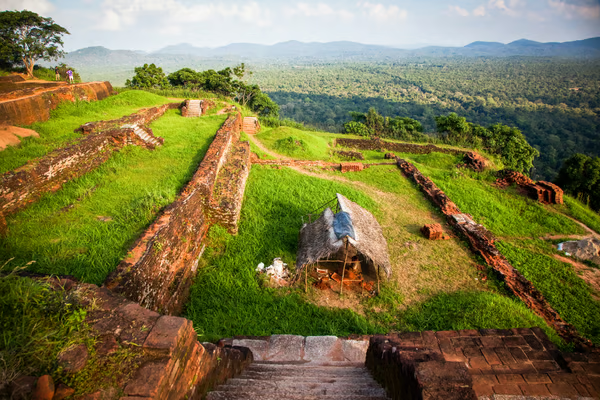
Lion Rock dominates the landscape.
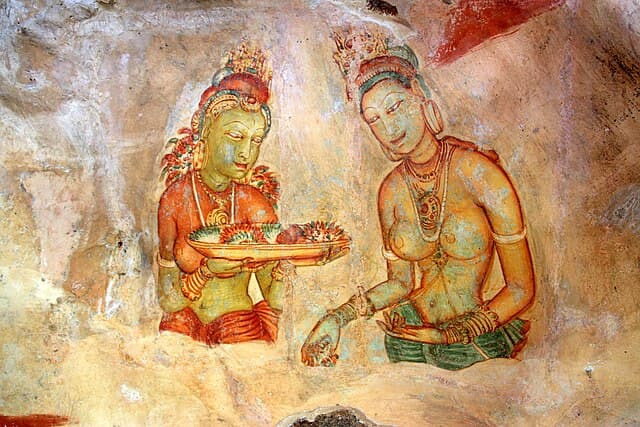
Frescoes remain one of the site’s greatest treasures.
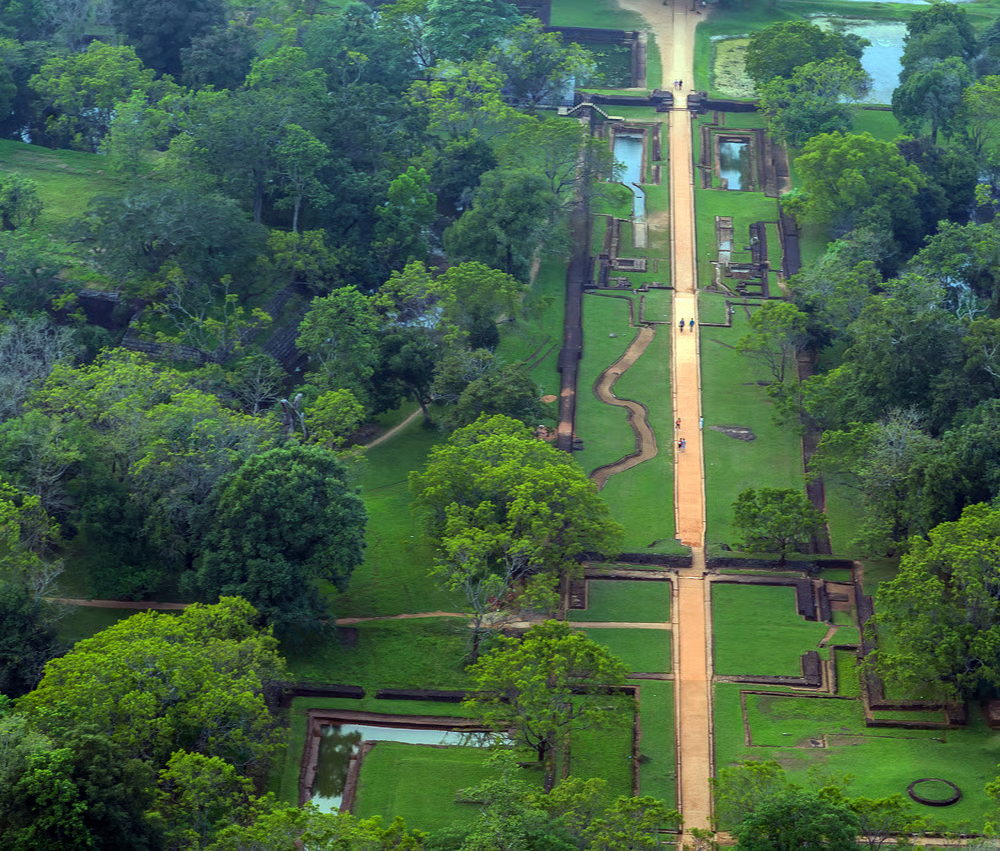
Water gardens show ancient hydraulic engineering.
Signature Experiences
- Climb at sunrise for cooler air and soft light.
- Explore the frescoes and mirror wall.
- Walk the water gardens at the base.
Travel Tips
- Start before 9am to avoid heat.
- Use insect repellent in garden areas.
- Combine with an afternoon safari or Dambulla visit.
Nearby Attractions
Short trips from Sigiriya Rock Fortress
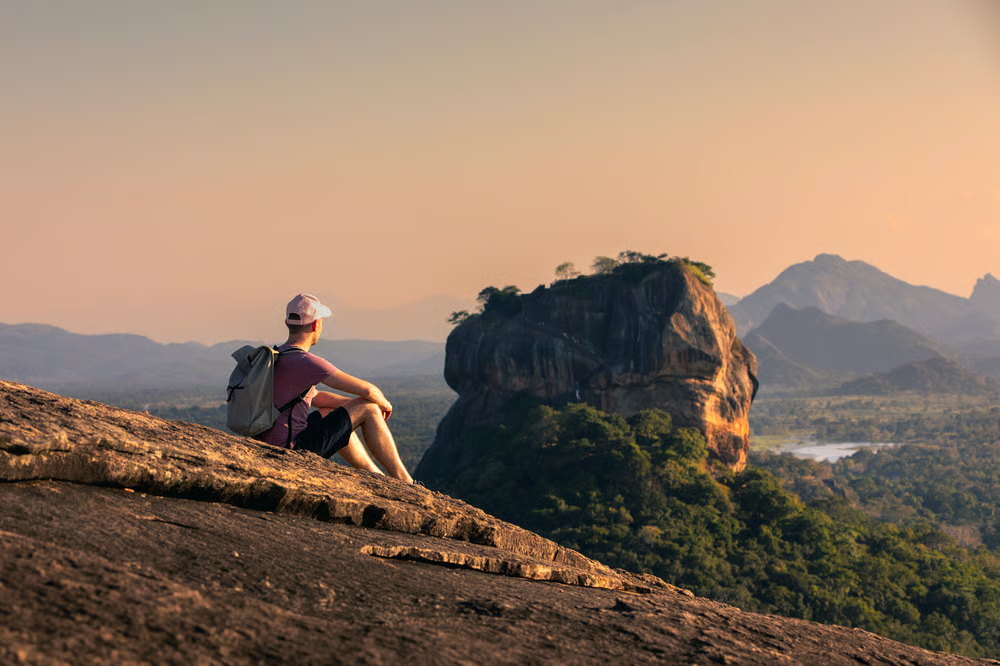
Pidurangala Rock
2 kmSunrise viewpoint facing Sigiriya.
Dambulla Cave Temple
25 kmAncient cave complex with murals and Buddhas.
Minneriya National Park
25 kmElephant gathering safaris.
What to Visit Next
Recommended stops after Sigiriya Rock Fortress
Getting Around
- Tuk-tuks are common between Sigiriya and nearby sites.
- Bicycles are useful for village exploration.
- Private drivers are best for multi-site days.
Connectivity & Essentials
- 4G coverage is reliable in Sigiriya and Habarana.
- ATMs available in Dambulla and Habarana.
- Wi-Fi is common in hotels and cafés.
Facilities Available
- Ticket counters, restrooms, and snack stalls at the entrance.
- Guides available at the site.
- Hotels and restaurants in Sigiriya village.
Where to Stay
- Sigiriya village for quick access.
- Habarana for safari add-ons and transport links.
- Dambulla for a wider range of hotels.
Cost of Living
- Entry fees are the main cost; guides are optional.
- Sigiriya has budget to boutique stays.
- Local meals are affordable.
Culture & Etiquette
- Respect signage and preserve heritage walls.
- Do not touch frescoes or climb off marked paths.
- Be mindful of dress at nearby temples.
Safety & Health
- Use sun protection and hydrate.
- Watch your footing on steep stairs.
- Avoid leaning over railings at the summit.
Important to Know
- The climb includes steep stairs and exposed sections.
- Arrive early for cooler temperatures and smaller crowds.
- Carry water; there is little shade on the ascent.