Wilpattu National Park
Best time
February to October for drier weather and easier wildlife viewing.
Ideal stay
1 to 2 days
Altitude
Lowland forest and scrub plains near sea level
Climate
Hot and dry in the main season, with monsoon rains from November to January.
History
How Wilpattu National Park became one of Sri Lanka’s most memorable destinations
Wilpattu is Sri Lanka’s largest national park, protected for its forest, scrub, and wetland ecosystems.
The park is named for its villus—natural lakes that support wildlife year-round.
After periods of closure, Wilpattu reopened with conservation-focused tourism and controlled access.
Significance
Why Wilpattu National Park matters in Sri Lanka’s story
A key habitat for leopards, sloth bears, elephants, and a rich variety of birdlife.
Distinctive for its villu lake system, which sustains wildlife even in dry months.
An expansive, less crowded alternative to other safari parks.
Top attractions
Essential stops for your Wilpattu National Park itinerary.
Villu Lakes
Natural forest lakes where animals gather to drink and cool off.
Leopard Country
Prime leopard habitat with quiet tracks and low traffic.
Sloth Bear Encounters
Occasional sightings, especially in fruiting seasons.
Elephants in the Plains
Small herds often appear near open grassland edges.
Birdwatching Around Villus
Storks, eagles, kingfishers, and seasonal migratory birds.
Ancient Ruins (Kuveni’s Palace area)
Historic sites and ruins within the park boundary.
Coastal Edge (Northern Boundary)
Remote coastal stretches and dune landscapes.
Morning Safari Drives
Cooler hours and active wildlife near water sources.
When to Visit
- February to October offers the driest conditions and best visibility.
- November to January is wetter with lush scenery and fewer visitors.
- April to July can be warm and dry, ideal for tracking near villus.
What to Wear
- Light, breathable clothing in neutral tones.
- A hat, sunglasses, and sunscreen for daytime safaris.
- Closed shoes and a light layer for early-morning drives.
How to Get There
- Private car from Colombo via Puttalam or Anuradhapura (about 4 to 5 hours).
- Drive from Anuradhapura or Kalpitiya for combined cultural or coastal trips.
- Bus to Puttalam or Anuradhapura, then taxi or tuk-tuk to the park entrance.
Location Map
Plan your route to Wilpattu National Park
Photo Gallery
Highlights of Wilpattu National Park
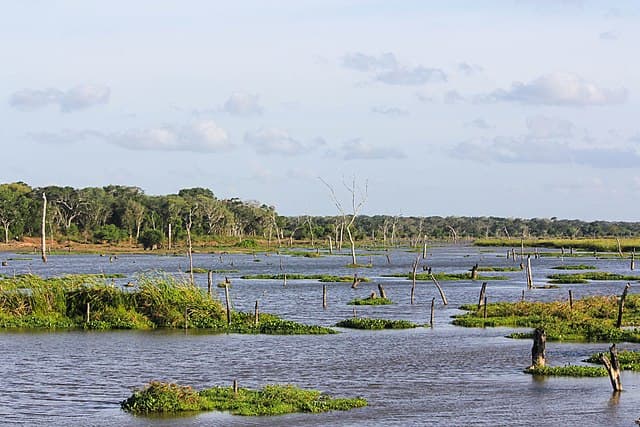
Villu lakes are the defining feature of Wilpattu.
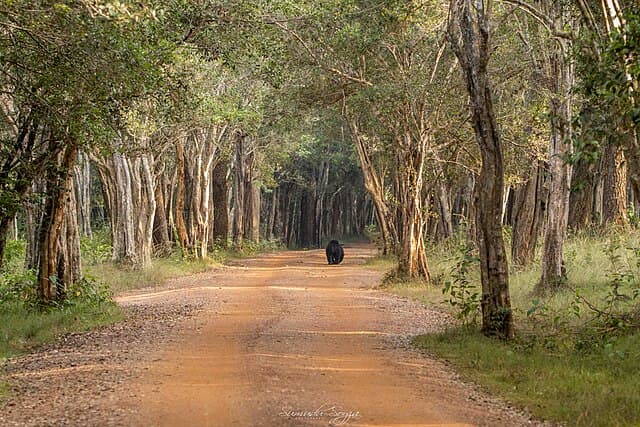
Quiet tracks make Wilpattu feel wild and remote.
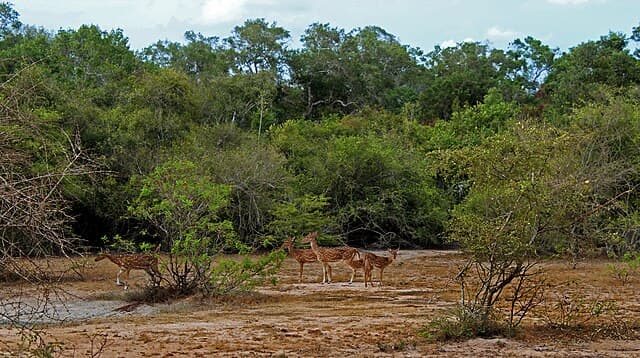
Dense forest and scrub create varied habitats.
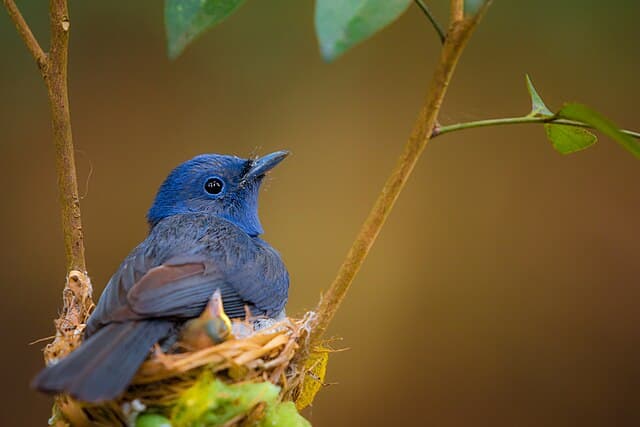
Villus attract rich birdlife throughout the day.

Leopard sightings are a highlight for patient safari-goers.
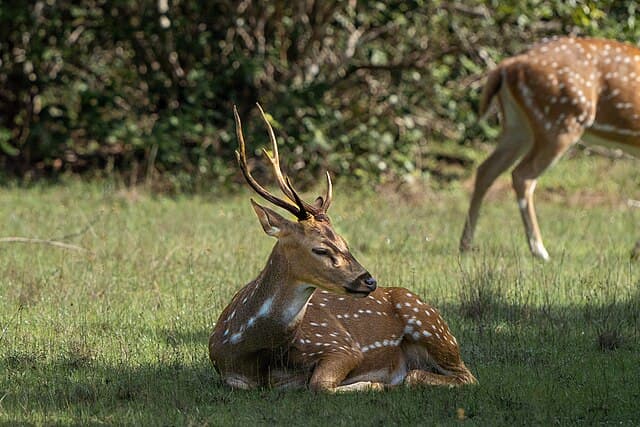
Early mornings bring cooler air and active wildlife.
Signature Experiences
- Track wildlife around the villu lakes on a morning safari.
- Spot leopards in quieter terrain with fewer vehicles.
- Photograph birdlife at lakeside clearings.
- Explore the forested trails for a more remote safari feel.
- Combine Wilpattu with Anuradhapura for a culture-and-wildlife trip.
Travel Tips
- Start early for cooler temperatures and better sightings.
- Bring binoculars for birds and distant wildlife.
- Pack water and light snacks for longer drives.
Nearby Attractions
Short trips from Wilpattu National Park
Anuradhapura
55 kmUNESCO ancient city with sacred stupas and ruins.
Puttalam
70 kmCoastal town with lagoons and seafood markets.
Kalpitiya
120 kmLagoon adventures and dolphin watching on the northwest coast.
Kala Wewa
60 kmScenic reservoir and elephant corridor viewpoints.
What to Visit Next
Recommended stops after Wilpattu National Park
Getting Around
- Safari jeeps are required within the park.
- Taxis and tuk-tuks connect nearby towns to the entrance.
- Private drivers are useful for combining Wilpattu with cultural sites.
Connectivity & Essentials
- Mobile coverage is limited inside the park; strongest near the entrance.
- ATMs are available in Puttalam and Anuradhapura; carry cash for safaris.
- Power outlets are UK-style Type G; bring an adapter if needed.
Facilities Available
- Ticket counters and basic visitor facilities at the main gate.
- Guesthouses and small hotels in nearby towns.
- Restaurants and fuel stations in Anuradhapura and Puttalam.
Where to Stay
- Anuradhapura for the best range of hotels and dining.
- Wilpattu-edge lodges for early safari departures.
- Puttalam for a coastal detour and lagoon stays.
- Budget guesthouses in nearby villages for simple stays.
Cost of Living
- Safari costs include jeep hire and park entry fees.
- Nearby guesthouses are budget-friendly; higher-end lodges are limited.
- Local meals are affordable, with higher prices near tourist hubs.
Culture & Etiquette
- Dress modestly when visiting nearby temples or religious sites.
- Respect wildlife by keeping distance and not feeding animals.
- Take all litter out of the park to protect the villu ecosystem.
Safety & Health
- Keep noise low and remain inside the vehicle at all times.
- Use sun protection and stay hydrated during long drives.
- Apply insect repellent for early mornings and evenings.
Important to Know
- Wilpattu is vast; full-day or half-day safaris are arranged with licensed jeeps.
- Leopard sightings require patience; the park is quieter and more spread out.
- Carry cash for tickets and tips; card options are limited near the gate.
- Stay inside the vehicle and follow driver guidance at all times.
Plan Your Visit to Wilpattu National Park
Design a safari-focused trip with wildlife drives, wetlands, and national park highlights.