Anuradhapura
Best time to visit
May to September for clearer skies and warm days.
Ideal stay
2 to 3 days
Perfect for
History lovers, spiritual seekers, photographers
Top attractions
Essential places to include on your Anuradhapura itinerary.




Sri Maha Bodhi
A sacred fig tree said to be the oldest historically documented tree, brought from Bodh Gaya.
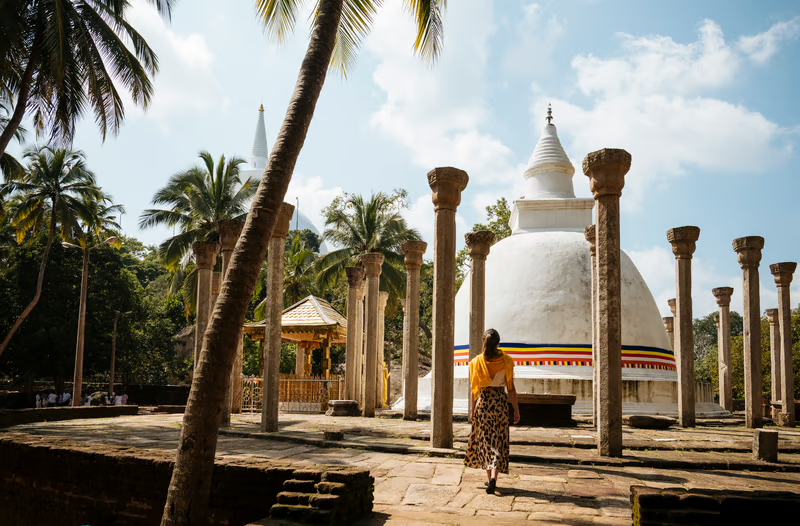
Ruwanwelisaya Stupa
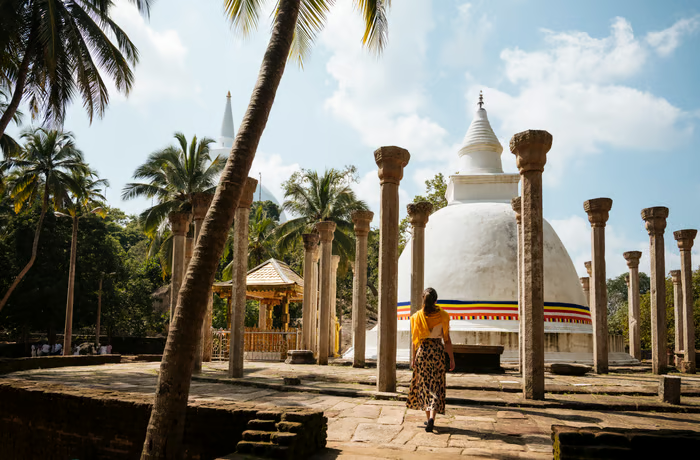
An iconic white stupa with a massive dome and tranquil prayer atmosphere.
Jetavanaramaya
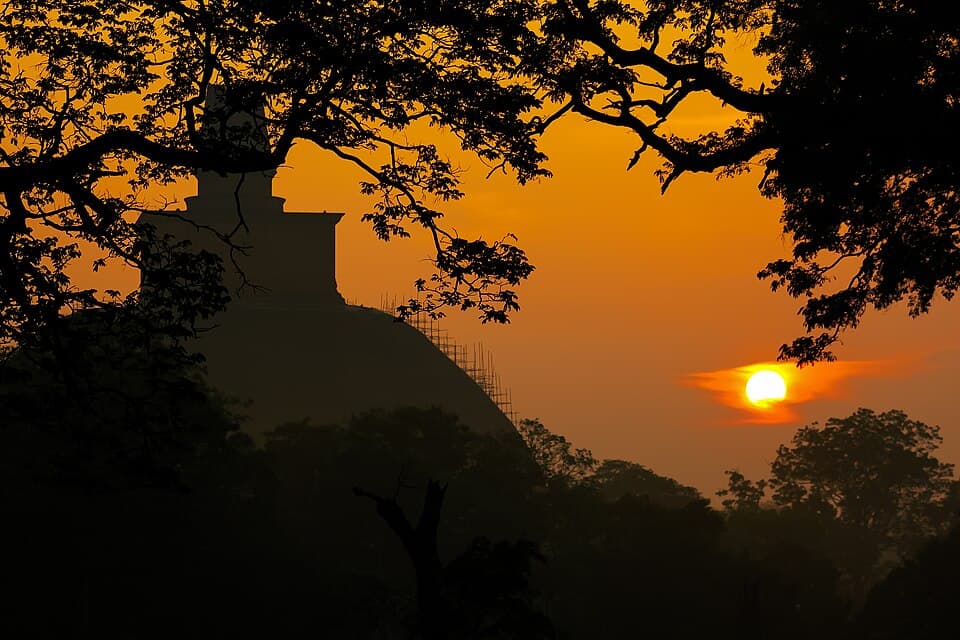
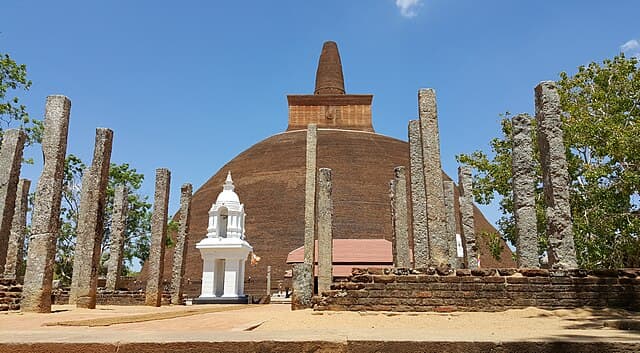
One of the largest brick structures in the ancient world, towering over the ruins.
Abhayagiri Monastery
A vast monastic complex known for stone carvings and ancient foundations.
Thuparamaya
The oldest stupa in Sri Lanka, enshrining the collarbone relic of the Buddha.
Isurumuniya
Rock temple famed for its stone carvings and the Lovers sculpture.
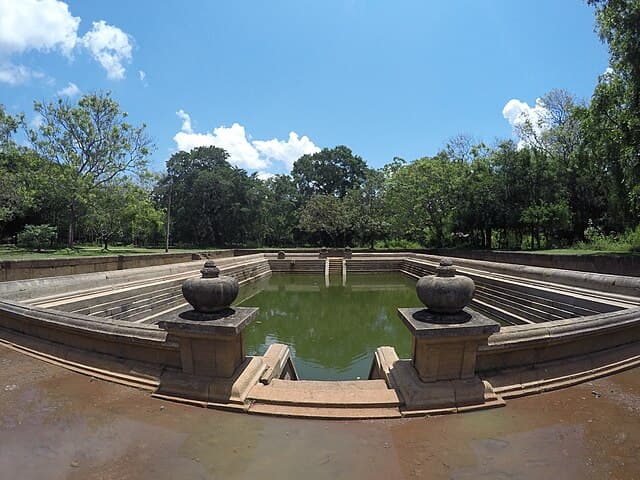
Kuttam Pokuna
Twin ponds showcasing sophisticated ancient hydraulic engineering.
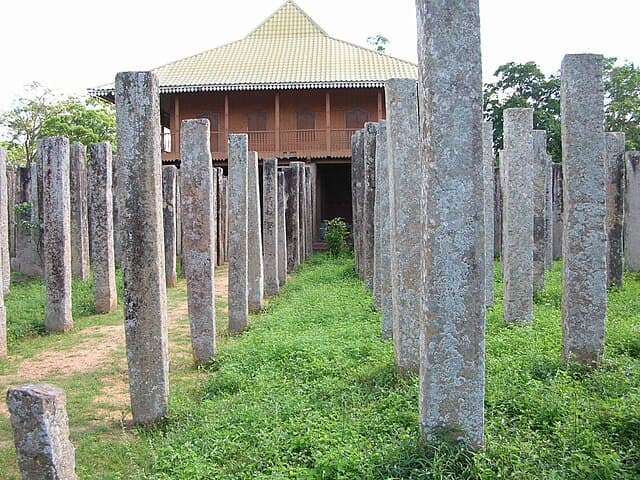
Lovamahapaya
The Brazen Palace site once supported a nine-story monastic residence.
Mihintale
Hilltop monastic complex and birthplace of Sri Lankan Buddhism, with stone stairways, stupas, and sweeping views.
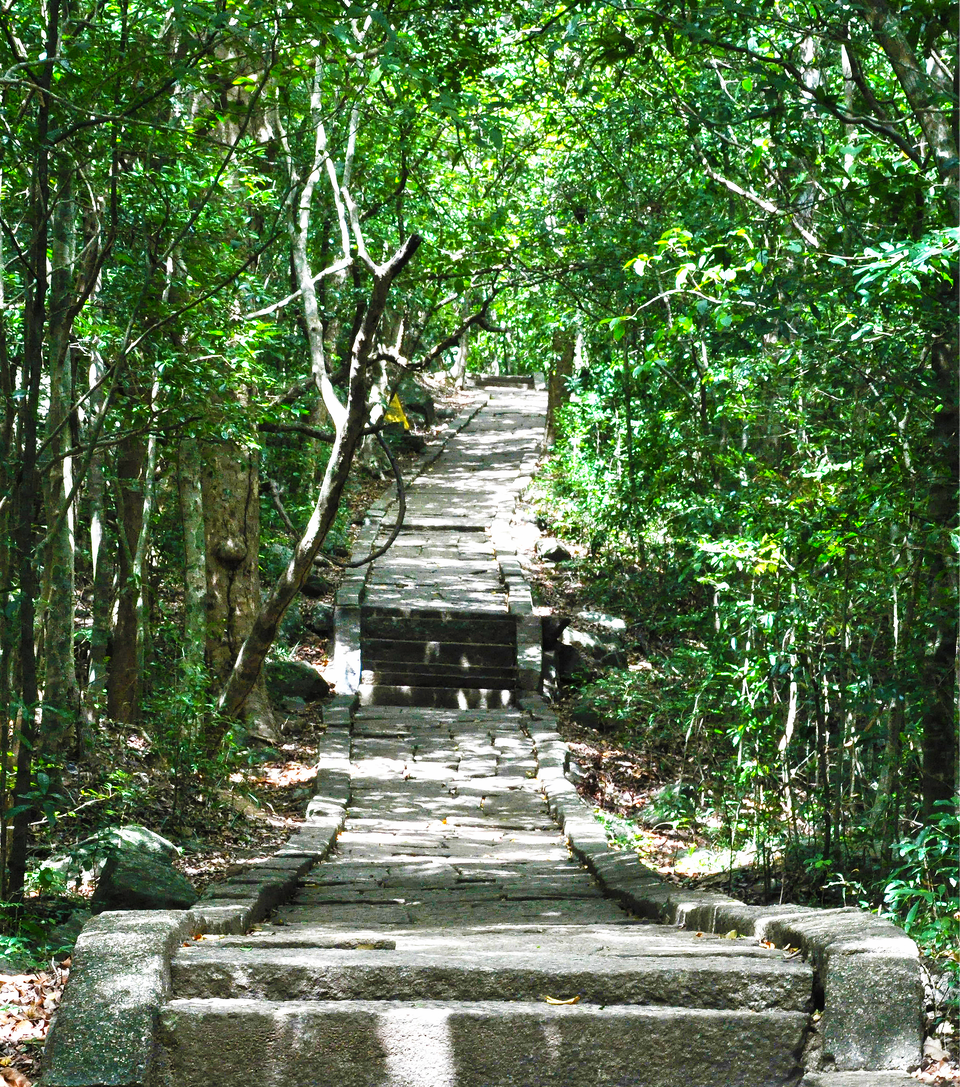
Ritigala Forest Monastery
A secluded ancient monastic site with stone pathways and meditation ruins in a forest reserve.
Anuradhapura photo gallery
Highlights from the most iconic sights and landscapes.
Sri Maha Bodhi
A sacred fig tree said to be the oldest historically documented tree, brought from Bodh Gaya.
Ruwanwelisaya Stupa
An iconic white stupa with a massive dome and tranquil prayer atmosphere.
Jetavanaramaya
One of the largest brick structures in the ancient world, towering over the ruins.
Abhayagiri Monastery
A vast monastic complex known for stone carvings and ancient foundations.
Thuparamaya
The oldest stupa in Sri Lanka, enshrining the collarbone relic of the Buddha.
Isurumuniya
Rock temple famed for its stone carvings and the Lovers sculpture.

Experience
Immerse in Anuradhapura
Signature experiences
- Cycle between stupas and royal gardens at sunrise
- Join evening chanting near the sacred bodhi tree
- Hire a local guide for a deep dive into ancient dynasties
Travel tips
- Start early to avoid the midday heat across the sprawling ruins.
- Wear modest clothing and remove shoes for sacred areas.
- Bring water and sun protection; the complex is vast.
Practical guide
Everything you need to plan your Anuradhapura visit.
Where to stay
- Ulagalla by Uga Escapes — luxury resort set in a 58-acre private estate with a stunning infinity pool and paddy views.
- Hotel & Restaurant & Rest & Rest — budget-friendly stays cluster along Rowing Club Road near Nuwara Wewa.
- The Sanctuary at Tissawewa — a heritage property steps from the sacred area, run by the Ceylon Hotels Corporation.
- Milano Tourist Rest — a reliable budget guesthouse popular with backpackers, with clean rooms and home-cooked meals.
- Homestays in the new town offer an authentic Sri Lankan experience and often include breakfast.
English-speaking guides
- Licensed guides are available at the main ticket office near the Archaeology Museum — look for government-issued ID badges.
- Half-day tours (3–4 hrs) typically cost USD 20–30; full-day tours (6–7 hrs) run USD 40–60.
- Book ahead through your hotel or a reputable platform to secure the best guides, especially in peak season.
- Guides cover the Sacred City and can extend to Mihintale, Isurumuniya, and the museum circuit.
- Many guides also speak German, French, or Japanese — request when booking.
Where to eat
- Salgado — a local chain for fresh short eats, pastries, and budget rice-and-curry lunches in the town centre.
- Casserole Restaurant — popular with travellers for Sri Lankan and Western dishes; try the devilled chicken.
- Hotel & Restaurant Rose Garden — generous portions of authentic rice and curry with seasonal vegetables.
- Fruit stalls near the bus stand sell fresh king coconut, mango, and papaya — great for a cheap, refreshing break.
- Most guest houses serve home-cooked dinner on request; always ask by midday so ingredients can be sourced fresh.
Getting around
- Bicycle hire — available at most guesthouses and shops along Main Street for LKR 500–1,000/day. Best way to explore the ruins.
- Tuk-tuks — plentiful; agree on price before departure. A full-day circuit of the Sacred City costs LKR 3,000–5,000.
- Rented scooters — available through some hotels for around LKR 2,000–3,000/day (international licence required).
- Taxi apps like PickMe work in the town area; useful for airport or inter-city transfers.
- Walking is pleasant at dawn or dusk; the sacred area paths are flat and well-maintained.
Culture & etiquette
- Always remove shoes and hats before entering any temple or sacred precinct around the stupas.
- White or light, modest clothing is expected at religious sites — cover shoulders and knees.
- Never pose with your back to a Buddha statue; it is considered extremely disrespectful.
- Seek permission before photographing monks, worshippers, or ceremonies.
- Poya (full moon) days are national holidays — temples are crowded but the atmosphere is deeply spiritual.
- Alcohol is not sold on Poya days; plan accordingly if staying overnight.
Connectivity & essentials
- ATMs (Commercial Bank, Bank of Ceylon) are available in the new town — carry cash for rural areas and smaller vendors.
- Dialog and Mobitel SIM cards offer reliable 4G coverage across the town and most of the Sacred City.
- Wi-Fi is available at most hotels and guesthouses, though speeds vary.
- The nearest hospital is Anuradhapura Teaching Hospital, about 3 km from the Sacred City.
- Pack insect repellent for evenings, especially near the tanks (reservoirs).
What to buy
- Miniature brass stupas and moonstone replicas make unique souvenirs from the museum gift shops.
- Handloom textiles and batik fabrics from the markets in the new town centre.
- Fresh spices — cinnamon, cardamom, and pepper — from vendors near the main bus stand.
- Palmyra handicrafts from the north, occasionally sold by travelling artisans in the old town.
- Avoid buying ancient-looking artefacts — exports of genuine antiquities are illegal and carries severe penalties.
Safety & health
- Monkeys around the sacred areas can be bold — keep bags zipped and avoid visible food or shiny objects.
- Stay hydrated; temperatures often exceed 35°C. Carry at least 1.5L of water per person.
- Wear sunscreen and a broad-brimmed hat; shade is limited across the ruins.
- Watch for uneven ground and tree roots on ancient pathways, especially at Abhayagiri and Ritigala.
- Travel insurance with medical cover is strongly recommended for all visitors.