Food & Culinary Guide

Best time
Year-round; combine west and south coasts from December to March and east coast from May to September.
Ideal stay
3 to 7 days, paired with Colombo, Kandy, the Hill Country, and the South Coast.
Region
Island-wide (Colombo, Kandy, Hill Country, South Coast, Jaffna).
Climate
Warm and humid on the coasts, cooler in the tea country.
History
How Food & Culinary Guide became one of Sri Lanka’s cultural highlights
Sri Lankan cuisine evolved from ancient farming communities centered on rice, coconut, and spices.
Trade routes brought Arab, Dutch, Portuguese, Indian, and Malay influences into daily cooking.
Tea plantations transformed the hill country in the 19th century, making Ceylon tea a global icon.
Significance
Why Food & Culinary Guide matters
A living fusion of Sinhalese, Tamil, Muslim, Malay, and Burgher culinary traditions.
Spice cultivation and tea exports remain pillars of the island’s economy and identity.
Food is woven into rituals, festivals, and everyday hospitality across Sri Lanka.
Top attractions
Essential stops for your Food & Culinary Guide itinerary.
Colombo Street Food Trail
Pettah and Galle Face snacks like kottu, isso wade, and hoppers.
Matale Spice Garden
Walk through cinnamon, cardamom, pepper, and clove estates.
Hill-Country Tea Estates
Estate walks, factory tours, and high tea in Nuwara Eliya or Haputale.
Jaffna Crab & Tamil Cuisine
Fiery black crab curry and palmyra-based dishes in the north.
South Coast Seafood BBQ
Fresh catch grilled on beachside coals in Mirissa or Tangalle.
When to Visit
- Visit markets in the early morning for the freshest produce and liveliest scenes.
- Pair tea country with the dry months for crisp hill views.
- Plan coastal seafood dinners around sunset for the best atmosphere.
What to Wear
- Light, breathable clothing for humid market walks.
- Comfortable shoes for market tours and estate walks.
- A light layer for cool evenings in the hill country.
How to Get There
- Start in Colombo for easy access to street food and markets.
- Take the scenic train to Kandy and Nuwara Eliya for tea estates.
- Private drivers or buses connect the south coast and northern culinary hubs.
Location Map
Plan your route to Food & Culinary Guide
Photo Gallery
Highlights of Food & Culinary Guide
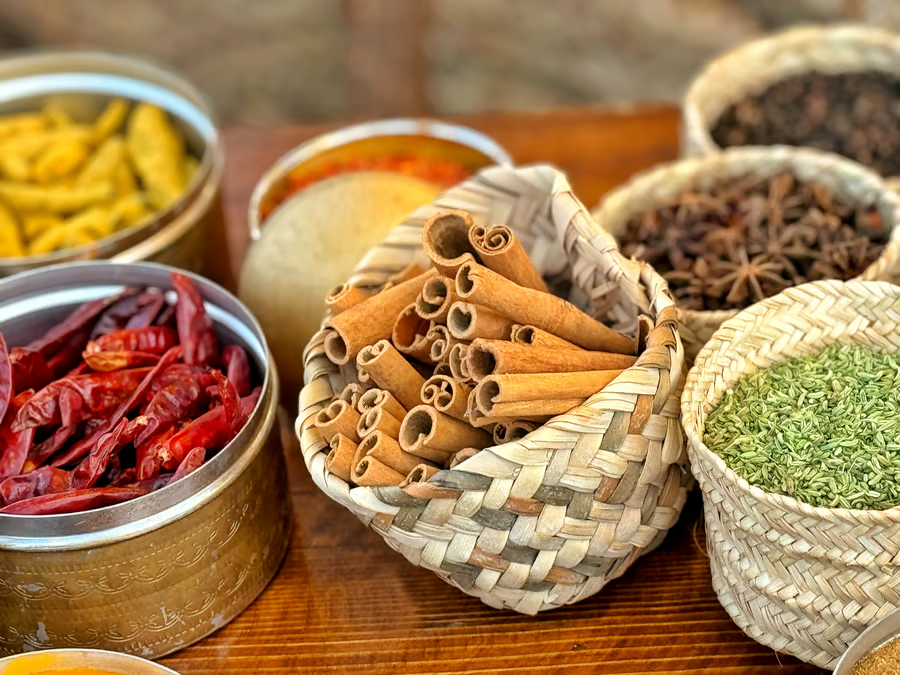
Spice stalls showcase cinnamon, cardamom, and dried chilies.
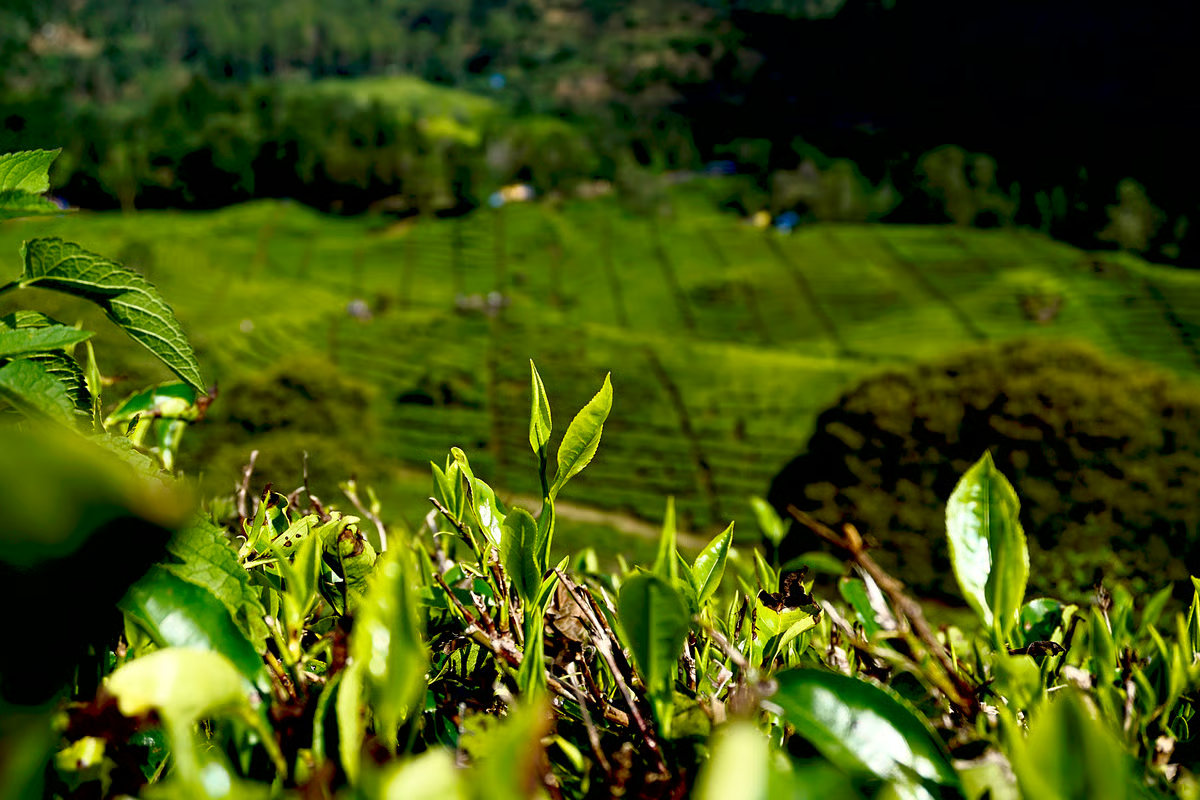
Tea estates in Nuwara Eliya offer panoramic tasting views.
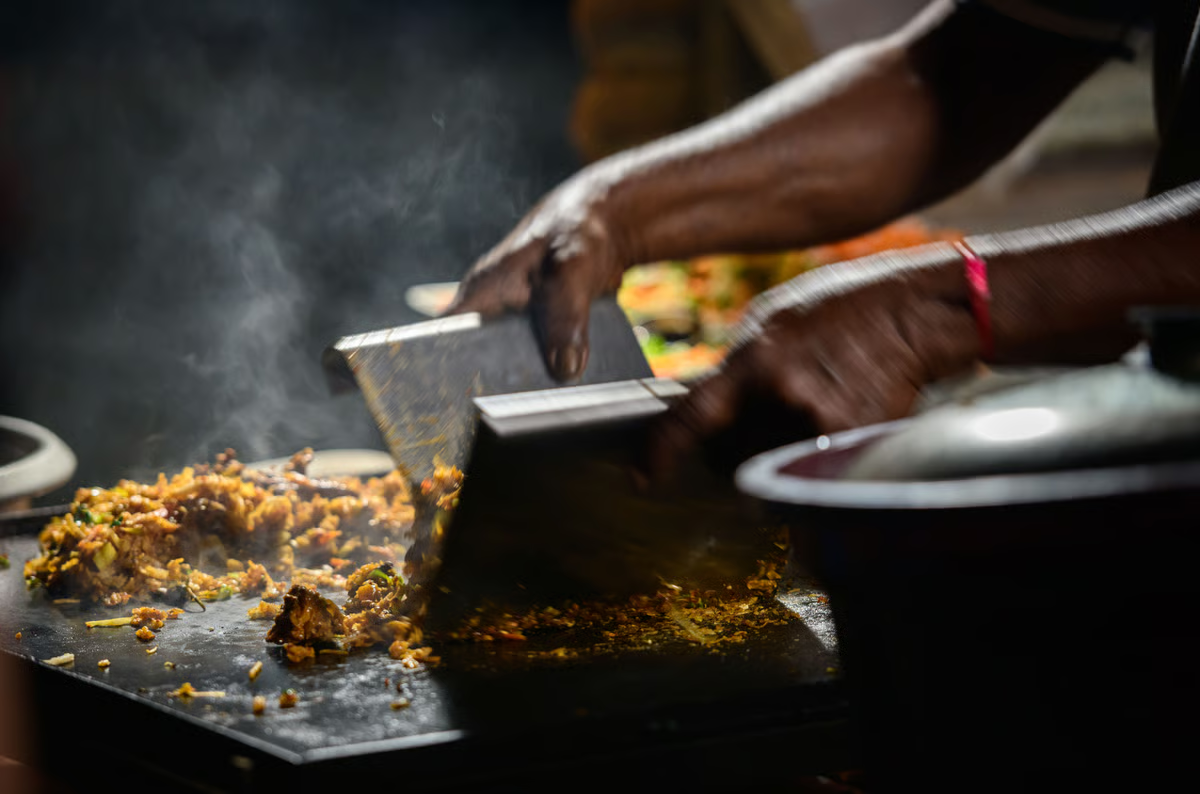
Street vendors cook kottu, hoppers, and snacks over hot plates.
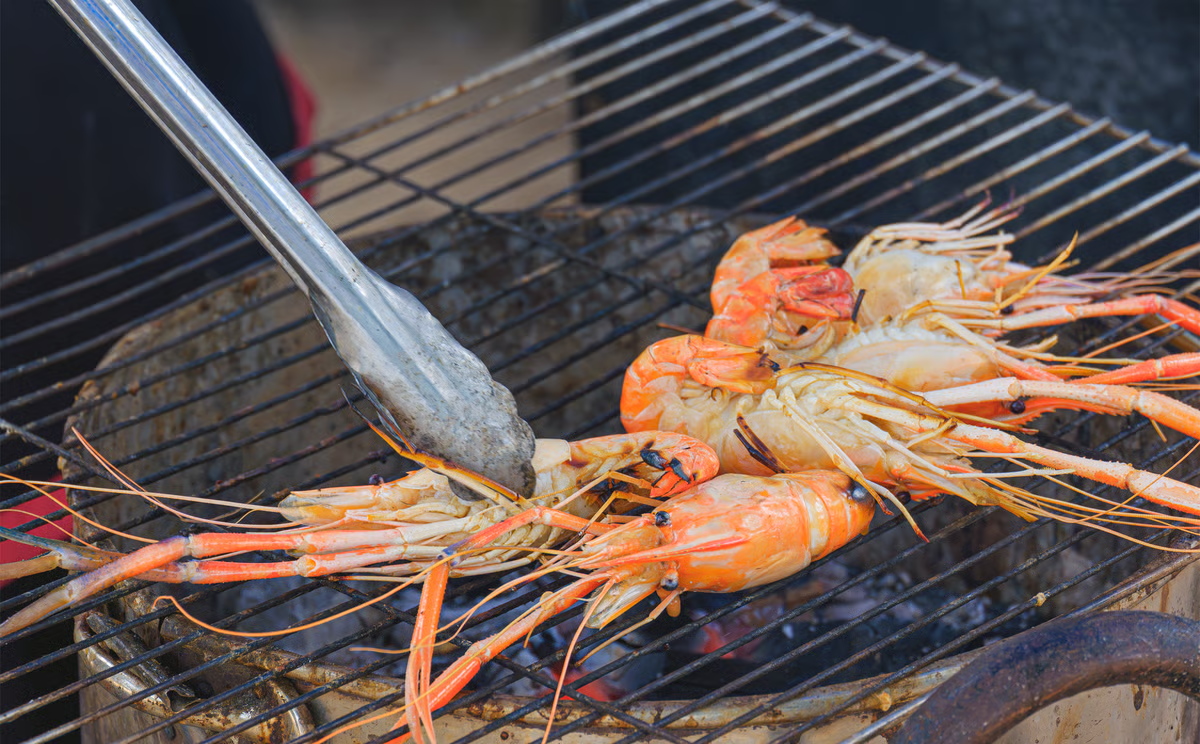
Seafood BBQs light up the south coast at sunset.
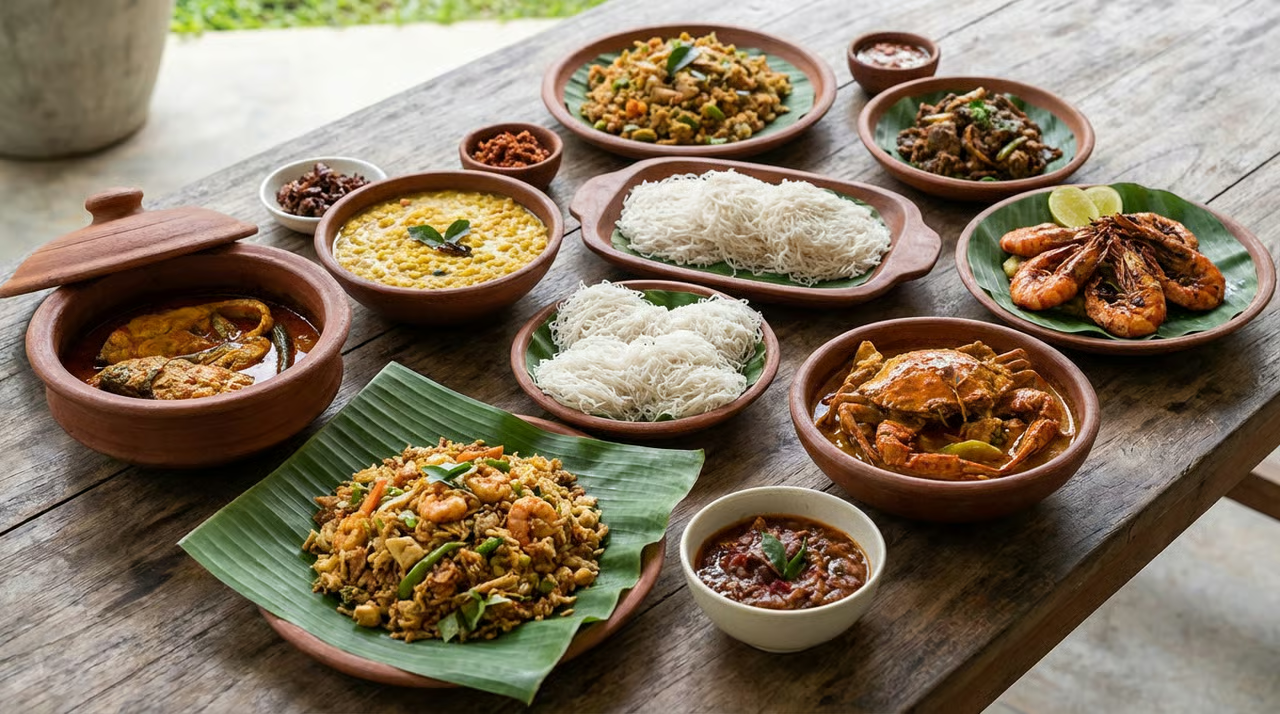
Home kitchens preserve generations of Sri Lankan recipes.
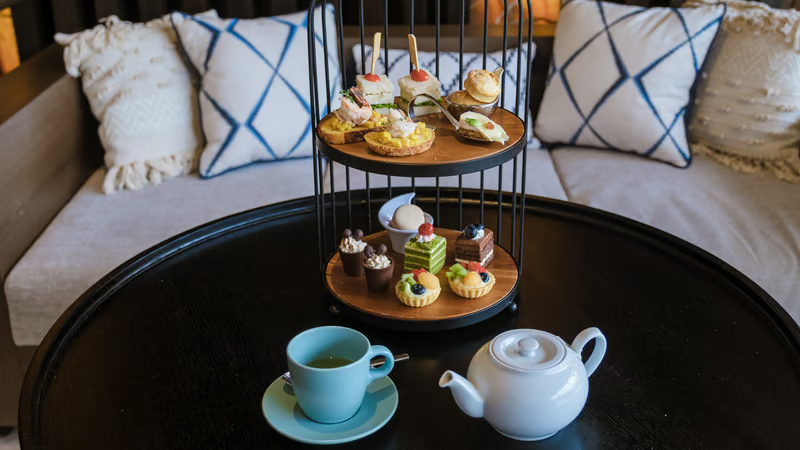
High tea pairs Ceylon brews with scones and pastries.
Signature Experiences
- Join a Colombo night street-food walk with local guides.
- Cook a rice and curry spread in a village home kitchen.
- Sip Ceylon tea at a heritage high tea lounge in the hills.
- Tour a spice garden and make your own curry powder blend.
- Finish with a seafood BBQ on the south coast.
Travel Tips
- Start market tours early to beat the heat and crowds.
- Carry tissues and hand sanitizer for on-the-go tastings.
- Book cooking classes ahead during peak travel months.
- Save room for desserts like curd and treacle or watalappan.
Nearby Attractions
Short trips from Food & Culinary Guide
Pettah Market
2 kmColombo’s busiest market for spices and snacks.
Kandy Central Market
116 kmHill-country produce and local street eats.
Galle Fort
120 kmHeritage cafés and artisan eateries inside the fort.
Nuwara Eliya Tea Country
175 kmTea factories, estate walks, and high tea.
What to Visit Next
Recommended stops after Food & Culinary Guide
Getting Around
- Tuk-tuks are perfect for short food hops within cities.
- Trains offer the most scenic route to tea country.
- Private drivers help connect far-flung culinary regions in one trip.
Connectivity & Essentials
- 4G coverage is strong in cities and major towns.
- ATMs are widely available, but markets prefer cash.
- Most cafés and hotels provide Wi-Fi for planning.
Facilities Available
- Guided food tours, cooking schools, and spice gardens.
- Tea factories with tasting rooms and gift shops.
- Coastal restaurants and beach BBQ setups in resort towns.
Where to Stay
- Colombo for urban food trails and market access.
- Kandy or Nuwara Eliya for tea estates and cool evenings.
- Galle or Tangalle for seafood and coastal dining.
- Jaffna for northern markets and Tamil culinary heritage.
Cost of Living
- Street food is budget-friendly; high tea and seafood are mid-range.
- Cooking classes range from affordable to premium by location.
- Tea estate visits are low cost with optional paid tastings.
Culture & Etiquette
- Use the right hand when eating or accepting food.
- Ask before photographing vendors or home kitchens.
- Dress modestly when visiting temples before or after meals.
Safety & Health
- Stay hydrated, especially during market walks.
- Choose reputable vendors for seafood and dairy items.
- If sensitive to spice, carry antacids and request mild dishes.
Important to Know
- Spice levels vary widely; ask for mild or medium if needed.
- Street food is best enjoyed freshly cooked and hot.
- Tea estates can be chilly; bring a light jacket.
- Many small eateries are cash-only outside major cities.