Sri Lankan Cooking Class
Best time
Year-round; mornings for market visits and cooler kitchens.
Ideal stay
Half day
Region
Colombo, Kandy, or coastal towns
Climate
Warm in lowlands, cooler in the hill country.
History
How Sri Lankan Cooking Class became one of Sri Lanka’s cultural highlights
Sri Lankan curries grew around rice farming and coconut cultivation.
Home kitchens preserved spice blends passed down through generations.
Cooking classes now share these traditions with visitors.
Significance
Why Sri Lankan Cooking Class matters
A direct way to understand Sri Lanka’s culinary identity.
Supports home cooks and small-scale culinary schools.
Top attractions
Essential stops for your Sri Lankan Cooking Class itinerary.
Local Market Visit
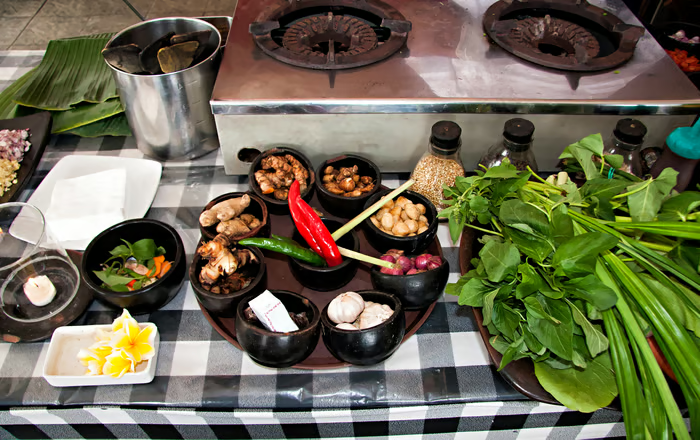
Select spices, vegetables, and fresh coconut.
Curry & Sambol Workshop
Learn spice roasting, tempering, and coconut grinding.
Shared Meal
Eat together and learn serving traditions.
When to Visit
- Morning classes include the freshest market produce.
- Avoid late afternoons in hot coastal towns.
What to Wear
- Light clothing and closed-toe shoes for markets.
- Bring a light layer for cool hill-country kitchens.
How to Get There
- Most classes offer hotel pickup in Colombo or Kandy.
- Tuk-tuks are easy for short transfers within towns.
Location Map
Plan your route to Sri Lankan Cooking Class
Photo Gallery
Highlights of Sri Lankan Cooking Class
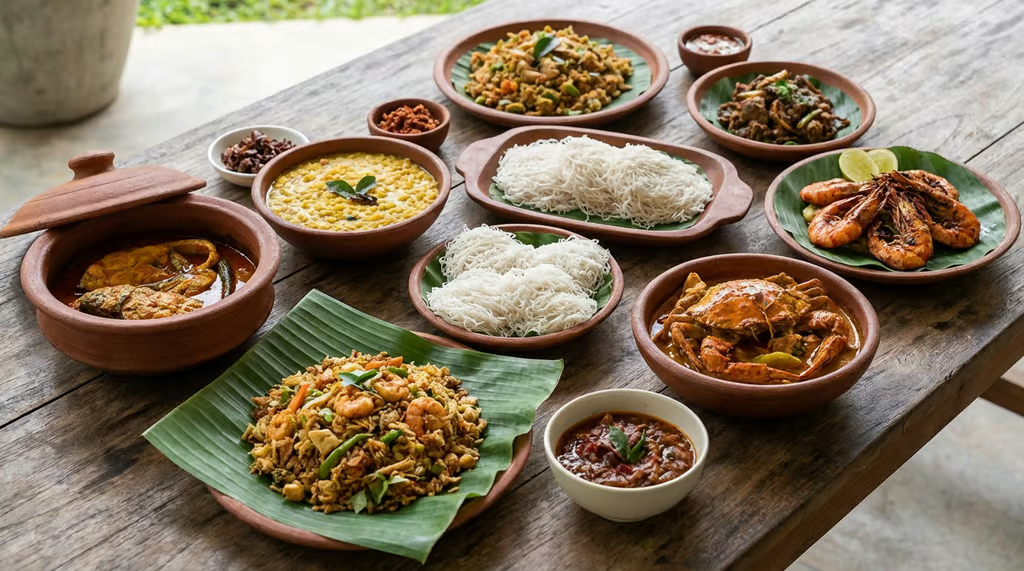
Fresh ingredients become a full rice and curry spread.
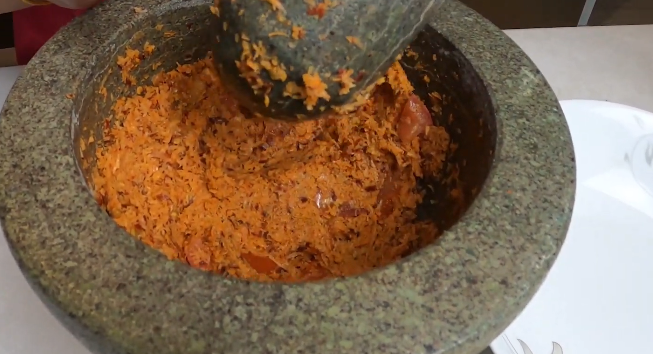
Coconut sambol is a must-learn staple.
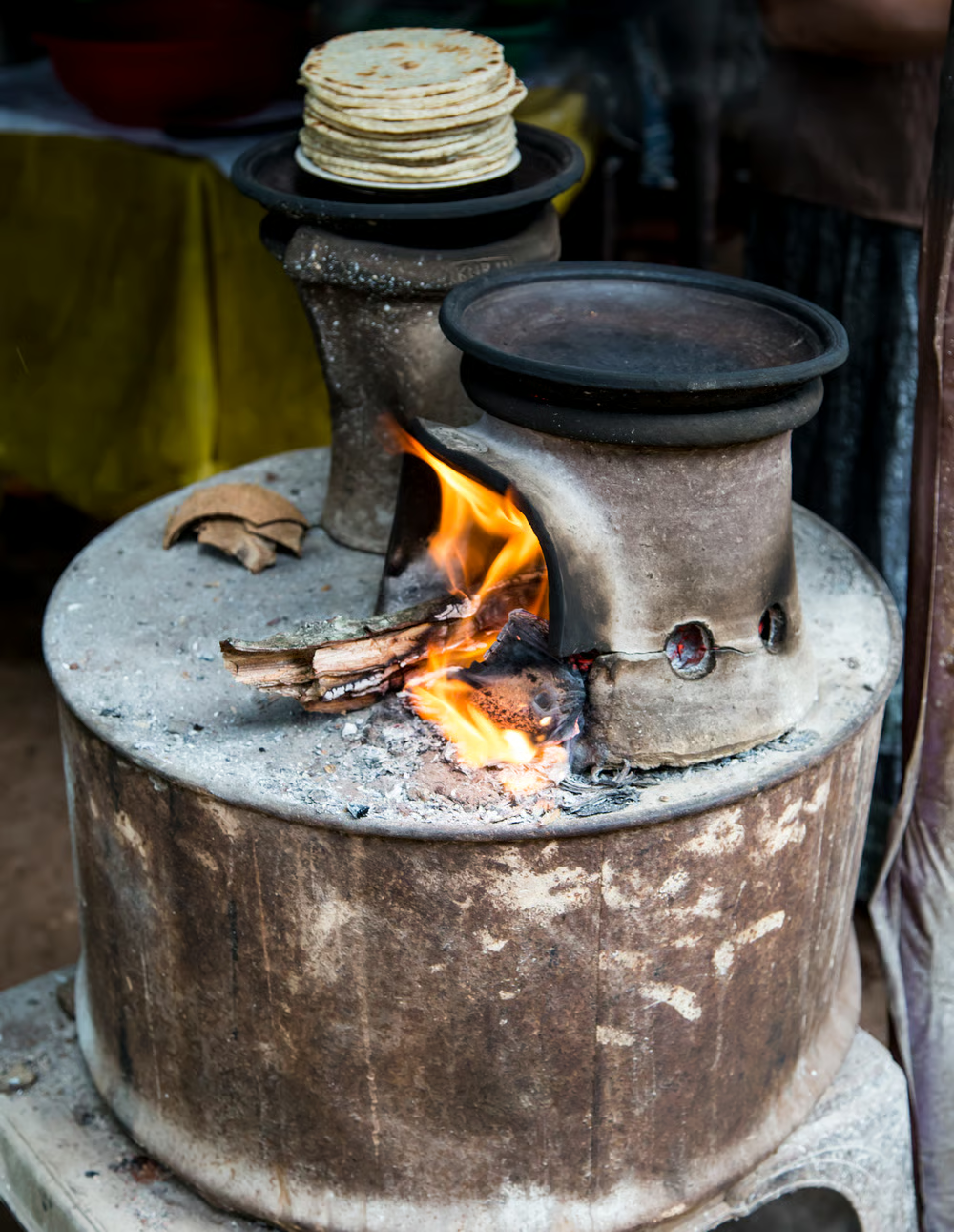
Traditional clay pots and wood-fired stoves are common.
Signature Experiences
- Grind coconut sambol with a stone mortar.
- Cook three to five curries alongside rice.
- Learn spice tempering for dhal and vegetables.
Travel Tips
- Bring a notebook for spice measurements.
- Ask for vegetarian options if desired.
Nearby Attractions
Short trips from Sri Lankan Cooking Class
Kandy Central Market
1 kmProduce stalls and spice vendors.
Temple of the Tooth
2 kmIconic cultural landmark.
What to Visit Next
Recommended stops after Sri Lankan Cooking Class
Getting Around
- Tuk-tuks are easiest for city transfers.
- Private drivers help with multi-stop days.
Connectivity & Essentials
- 4G coverage in towns and cities.
- ATMs near markets and city centers.
Facilities Available
- Aprons, utensils, and recipe sheets provided by most classes.
- Hotel pickup available at select operators.
Where to Stay
- Kandy lake area for easy access to classes.
- Colombo city center for market-based sessions.
Cost of Living
- Classes are mid-range with meals included.
- Market purchases are low cost.
Culture & Etiquette
- Accept food with the right hand.
- Compliment the host’s cooking — it is appreciated.
Safety & Health
- Use caution around hot oil and open flames.
- Stay hydrated in warm kitchens.
Important to Know
- Inform hosts of allergies or spice preferences.
- Some kitchens use wood-fired stoves; expect smoke.