Yala National Park
Best time
February to July for drier conditions and better wildlife visibility.
Ideal stay
1 to 2 days
Altitude
Lowland plains near sea level
Climate
Hot and dry in the peak season, with humid spells and monsoon rains later in the year.
History
How Yala National Park became one of Sri Lanka’s most memorable destinations
Yala was declared a protected area in the early 20th century and became a national park in 1938.
The park, once part of the ancient Ruhuna kingdom, contains historic temples and reservoirs within its boundaries.
Today Yala is a flagship conservation area balancing tourism with wildlife protection.
Significance
Why Yala National Park matters in Sri Lanka’s story
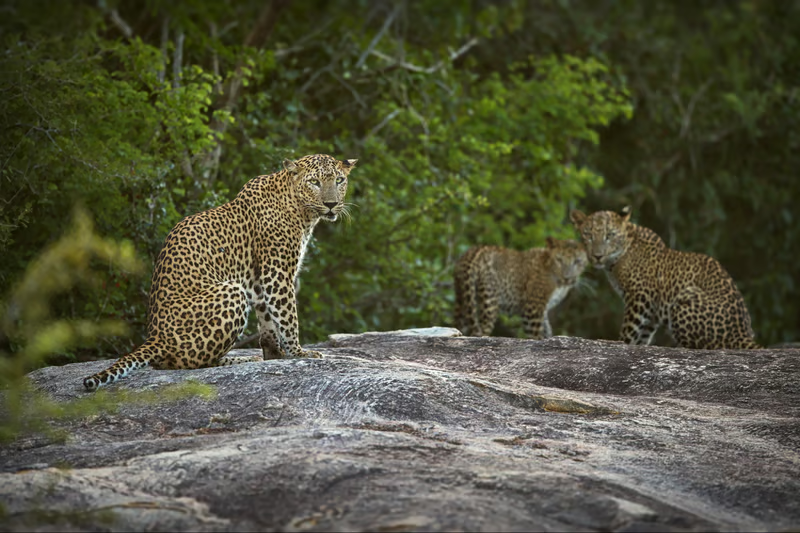
Renowned for one of the world’s highest densities of leopards.
A diverse landscape of scrub, grassland, lagoons, and coastal dunes supporting rich wildlife.
An important habitat for elephants, crocodiles, and migratory birds.
Top attractions
Essential stops for your Yala National Park itinerary.
Leopard Safari (Block 1)
Prime area for leopard tracking along rock outcrops and waterholes.
Elephant Herds
Frequently seen near waterholes, especially in the dry months.
Sloth Bear Encounters
Occasional sightings, most likely during the fruiting season.
Patanangala Beach
A wild coastline inside the park with dramatic views and birdlife.
Sithulpawwa Temple
Ancient rock monastery with panoramic views over the jungle.
Magul Maha Vihara
Ruins of a historic Buddhist temple deep in the forest.
Yala Lagoons
Wetlands that attract crocodiles, buffalo, and water birds.
Birdwatching Trails
A haven for storks, eagles, peacocks, and seasonal migrants.
When to Visit
- February to July is the driest and most popular season for safaris.
- August to October stays warm but can be dustier, with busier safari traffic.
- November to January is wetter, with fewer visitors and greener landscapes.
What to Wear
- Light, breathable clothing in neutral colors for game drives.
- A wide-brimmed hat and sunglasses for strong sun.
- Closed shoes and a light jacket for early-morning drives.
How to Get There
- Private car from Colombo via the Southern Expressway to Tissamaharama (about 5 to 6 hours).
- Drive from Galle, Matara, or Tangalle to Tissamaharama or Kirinda as safari bases.
- Bus to Tissamaharama or Kataragama, then transfer by tuk-tuk or taxi to the park gate.
Location Map
Plan your route to Yala National Park
Photo Gallery
Highlights of Yala National Park
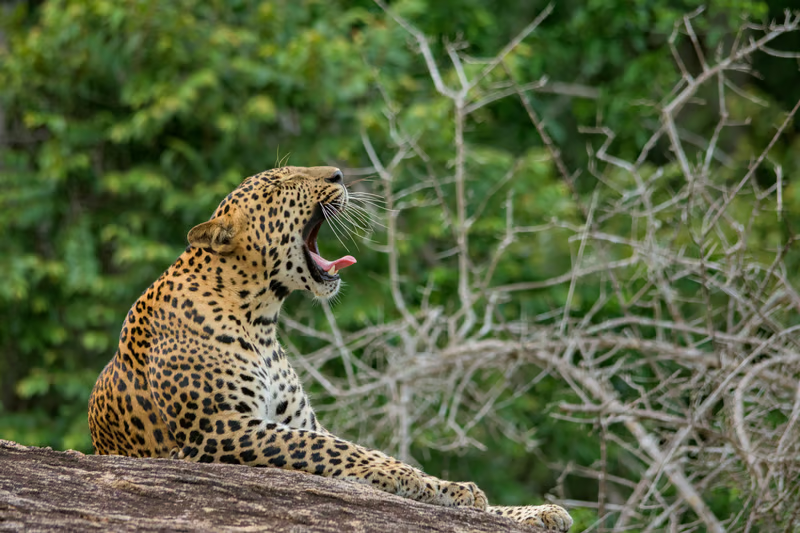
Yala is famed for leopard sightings on early safaris.
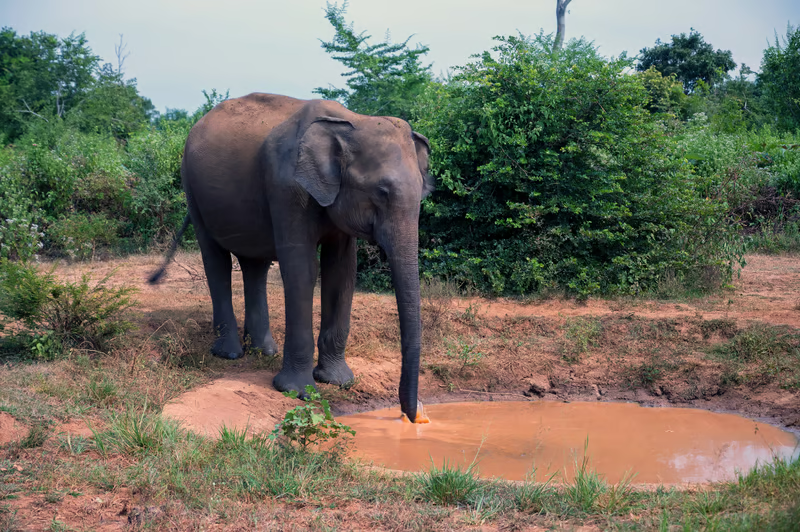
Elephants gather at waterholes in the dry season.
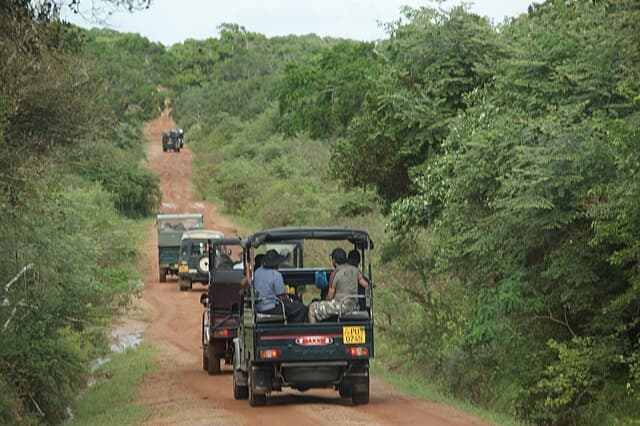
Open jeeps are the standard way to explore the park.
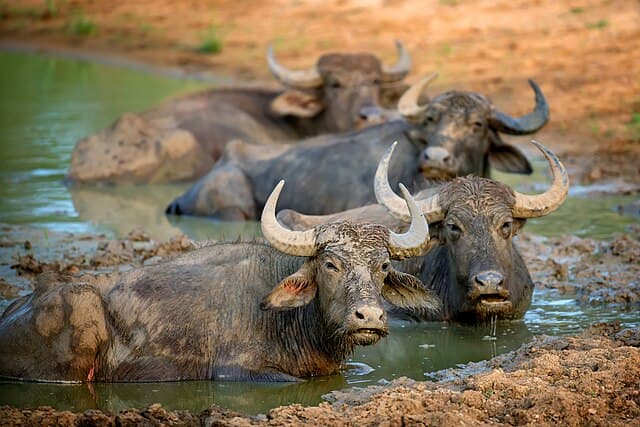
Lagoons attract birds, crocodiles, and buffalo.
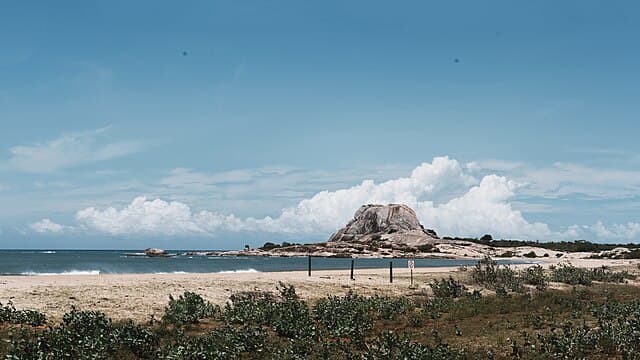
Coastal dunes and wild beaches sit within the park.
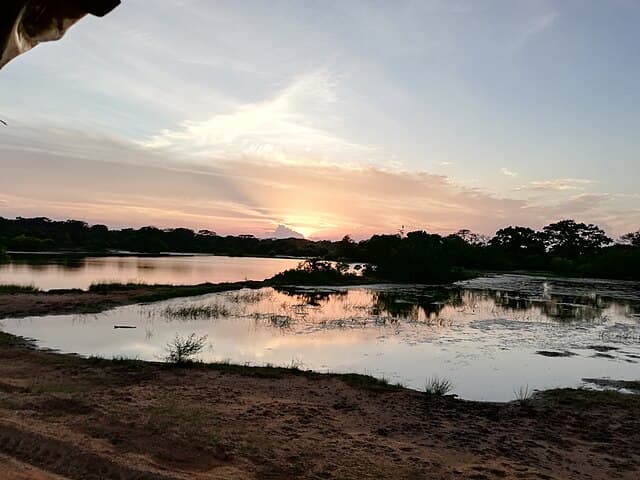
Early starts bring cooler air and better sightings.
Signature Experiences
- Join a sunrise safari for the best chance of leopard sightings.
- Spot elephants and crocodiles around the park’s waterholes.
- Visit Sithulpawwa Temple for ancient history and jungle views.
- Explore the coastal edge at Patanangala Beach inside the park.
- Spend an afternoon birdwatching around Yala’s lagoons.
Travel Tips
- Start at dawn for cooler temperatures and better wildlife activity.
- Bring binoculars and a zoom lens for distant sightings.
- Choose quieter safari blocks if available to avoid traffic.
Nearby Attractions
Short trips from Yala National Park
Tissamaharama & Tissa Wewa
20 kmHistoric town with a lakeside sunset promenade.
Kataragama
25 kmPilgrimage town with multi-faith temples and festivals.
Bundala National Park
40 kmWetland reserve renowned for migratory birds.
Kirinda Temple
30 kmClifftop temple with coastal views and local lore.
What to Visit Next
Recommended stops after Yala National Park
Getting Around
- Safari jeeps are required inside the park.
- Tuk-tuks are common for short trips around Tissamaharama and Kirinda.
- Private drivers are useful for transfers between Yala and coastal towns.
Connectivity & Essentials
- Mobile coverage is decent near the main gates but can drop inside the park.
- ATMs are available in Tissamaharama and Kataragama; carry cash for tickets.
- Power outlets are UK-style Type G; bring an adapter if needed.
Facilities Available
- Ticket counters and basic visitor facilities at the main entrance gates.
- Restaurants, supermarkets, and fuel stations in Tissamaharama.
- Small clinics and pharmacies in nearby towns.
Where to Stay
- Tissamaharama for the widest choice of safari bases and dining.
- Kirinda for quieter coastal stays near the park.
- Kataragama for a mix of culture and safari access.
- Safari lodges near the park gates for early departures.
Cost of Living
- Safaris are the biggest cost; prices include jeep hire and park fees.
- Budget guesthouses in Tissamaharama offer good value; safari lodges cost more.
- Local meals are affordable, while resort dining is higher-end.
Culture & Etiquette
- Dress modestly when visiting Kataragama or nearby temples.
- Do not feed or disturb wildlife; keep noise to a minimum.
- Carry out all litter and respect conservation rules.
Safety & Health
- Stay inside the vehicle during safaris and keep arms inside at all times.
- Use sun protection and drink plenty of water on hot days.
- Carry insect repellent for early mornings and evenings.
Important to Know
- Safari access requires park tickets and a registered jeep with a driver/guide.
- Game drives start early morning or late afternoon; midday is hottest and quietest.
- Wildlife is best viewed from the vehicle—stay seated and follow ranger advice.
- Bring cash for tickets and tips; card payments are limited near the park gates.
Plan Your Visit to Yala National Park
Design a safari-focused trip with wildlife drives, wetlands, and national park highlights.