Sinharaja Forest Reserve
Best time
January to April and August to September for clearer trekking conditions.
Ideal stay
1 to 2 days
Altitude
Lowland rainforest rising into foothills
Climate
Warm, humid, and wet year-round with frequent rain showers.
History
How Sinharaja Forest Reserve became one of Sri Lanka’s most memorable destinations
Sinharaja was declared a forest reserve in 1875 and later recognized as a UNESCO World Heritage Site.
Its name means “Lion Kingdom,” reflecting its importance in Sri Lankan folklore and natural history.
Conservation efforts have protected endemic species and preserved one of the country’s richest ecosystems.
Significance
Why Sinharaja Forest Reserve matters in Sri Lanka’s story
One of the world’s most important biodiversity hotspots with high endemism.
Home to a majority of Sri Lanka’s endemic bird species and rare flora.
A living laboratory for rainforest conservation and ecological study.
Top attractions
Essential stops for your Sinharaja Forest Reserve itinerary.
Rainforest Treks (Kudawa Entrance)
Well-known entry point with guided trails into the forest.
Birdwatching Mixed Flocks
See endemic birds such as the Sri Lanka blue magpie and red-faced malkoha.
Sinhagala Viewpoint
A trek to panoramic views over the rainforest canopy.
Giant Trees and Lianas
Towering hardwoods, vines, and dense undergrowth.
Waterfalls in the Reserve
Small cascades and forest pools along trekking routes.
Endemic Amphibians and Reptiles
Spot colorful frogs, lizards, and other rainforest species.
Forest Streams and Pools
Shaded streams ideal for short breaks during hikes.
Morning Nature Walks
Early trails for cooler air and active birdlife.
When to Visit
- January to April is generally drier, with easier trekking conditions.
- August to September offers another relatively dry window with good bird activity.
- May to July and October to December are wetter, with muddy trails but lush scenery.
What to Wear
- Quick-dry clothing and long sleeves for humidity and insects.
- Sturdy hiking shoes with good grip for muddy trails.
- A light rain jacket and a waterproof daypack cover.
How to Get There
- Private car from Colombo to Kudawa entrance (about 4 to 5 hours).
- Drive from Galle or Mirissa via Deniyaya for a scenic southern route.
- Bus to Deniyaya or Kalawana, then tuk-tuk to the reserve entrance.
Location Map
Plan your route to Sinharaja Forest Reserve
Photo Gallery
Highlights of Sinharaja Forest Reserve
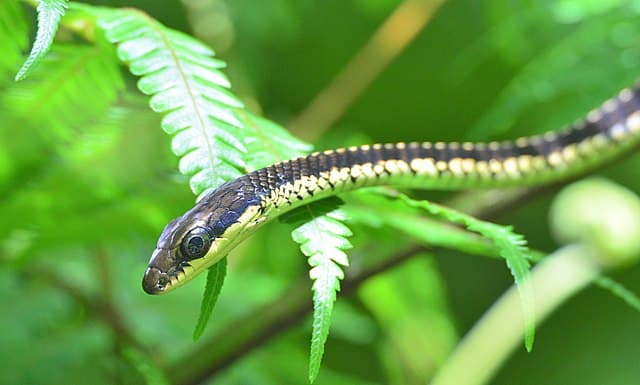
Dense rainforest trails reveal Sinharaja’s rich biodiversity.
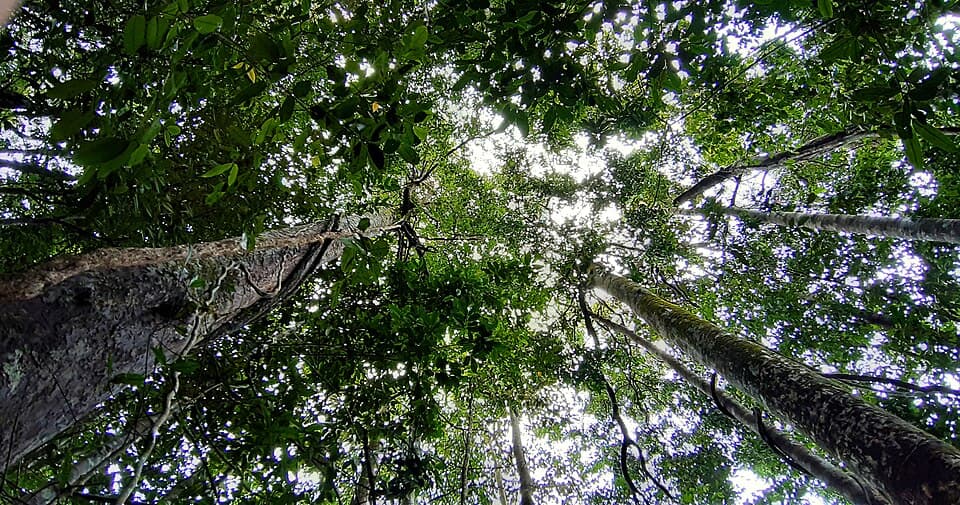
The canopy shelters a remarkable range of endemic species.
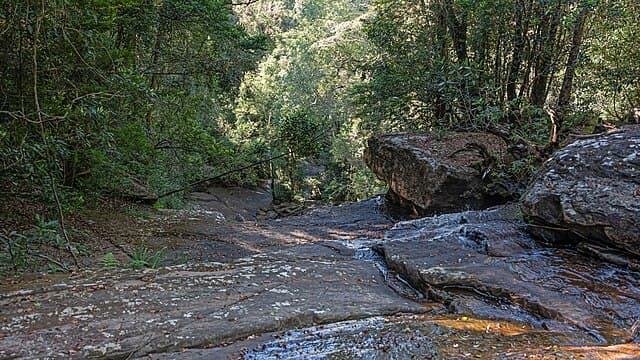
Clear streams flow through shaded jungle corridors.
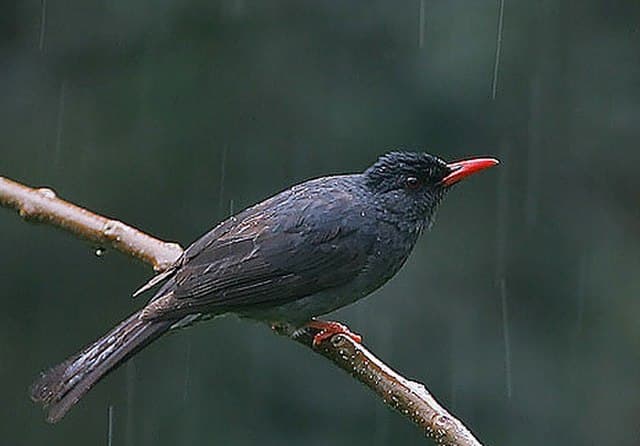
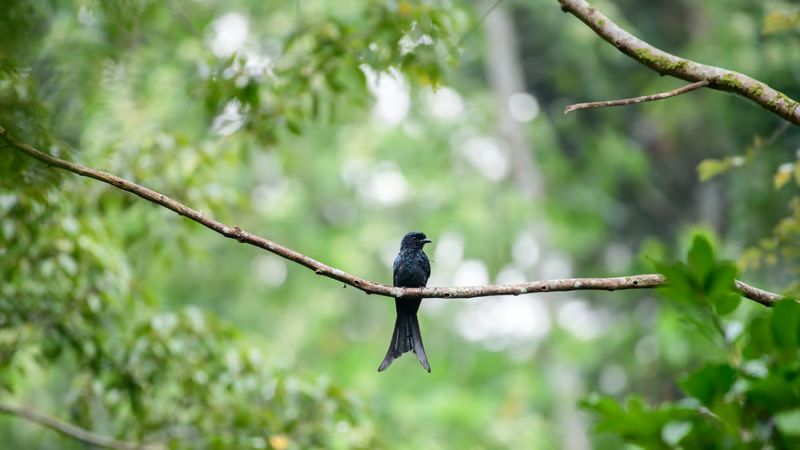
Birdwatching is a signature experience at Sinharaja.
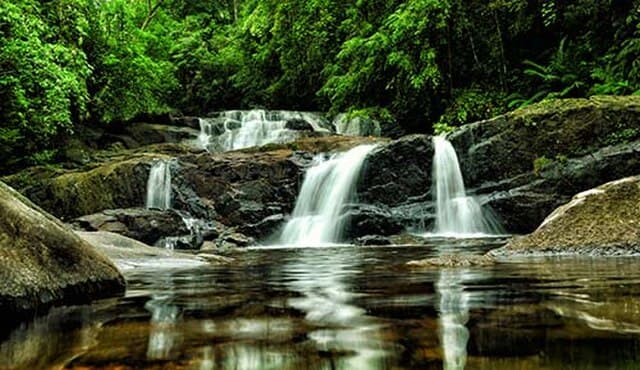
Hidden waterfalls reward patient trekkers.
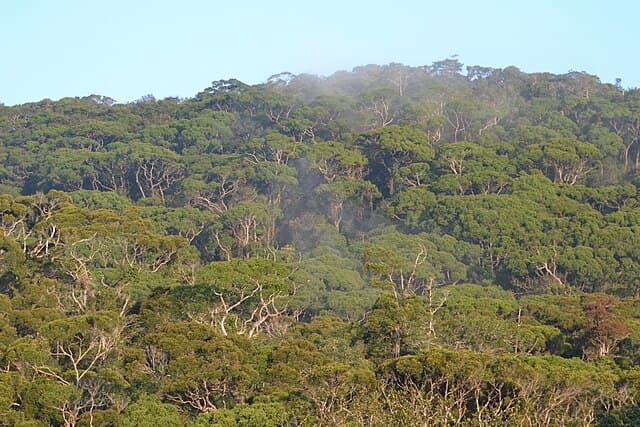
Lush foliage and towering trees define the landscape.
Signature Experiences
- Join a guided dawn birdwatching walk for endemic species.
- Trek to viewpoints like Sinhagala for canopy panoramas.
- Explore rainforest streams and small waterfalls along trails.
- Spot reptiles and amphibians unique to Sri Lanka’s wet zone.
- Stay overnight nearby to experience forest sounds after dark.
Travel Tips
- Start early to maximize wildlife activity and cooler temperatures.
- Pack a waterproof bag for cameras and electronics.
- Carry small cash for guide fees and entry tickets.
Nearby Attractions
Short trips from Sinharaja Forest Reserve
Deniyaya
35 kmGateway town with tea estates and local markets.
Kalawana
25 kmForest-side town with access to lesser-known trails.
Rakwana Hills
50 kmScenic hills and waterfalls beyond the reserve.
Galle
90 kmUNESCO fort city and coastal cafés.
What to Visit Next
Recommended stops after Sinharaja Forest Reserve
Getting Around
- Guided walks are the main way to explore the reserve.
- Tuk-tuks connect nearby towns to the entrance points.
- Private drivers are useful for transfers to the south coast.
Connectivity & Essentials
- Mobile coverage is patchy; strongest near entrances and towns.
- ATMs are available in Deniyaya and Kalawana; carry cash for guides.
- Power outlets are UK-style Type G; bring an adapter if needed.
Facilities Available
- Visitor centers and ticket counters at main entrances.
- Small guesthouses and eco-lodges in nearby villages.
- Basic eateries and shops in Deniyaya and Kalawana.
Where to Stay
- Kudawa area for quick access to the main entrance.
- Deniyaya for more lodging options and amenities.
- Kalawana for quieter, forest-side stays.
- Eco-lodges near the reserve for immersive rainforest settings.
Cost of Living
- Guided treks and entry tickets are the main costs.
- Guesthouses are affordable; eco-lodges are mid-range.
- Local meals are inexpensive, while tour packages cost more.
Culture & Etiquette
- Respect conservation rules and avoid loud noise in the forest.
- Do not remove plants or disturb wildlife.
- Dress modestly in nearby villages and temples.
Safety & Health
- Wear leech protection and check clothing after hikes.
- Stay hydrated in humid conditions and take regular breaks.
- Follow guide instructions on trails and near streams.
Important to Know
- Entry requires a ticket and a local guide for most trails.
- Leeches are common in wet months; bring repellent or leech socks.
- Trails can be slippery after rain; move carefully and use a guide.
- Mobile signal is limited inside the reserve; plan ahead.
Plan Your Visit to Sinharaja Forest Reserve
Design a safari-focused trip with wildlife drives, wetlands, and national park highlights.