Matara
Best time
December to April for sunny south-coast weather.
Ideal stay
1 to 2 days
Altitude
Sea level
Climate
Warm and humid year-round, with heavier rain from May to September.
History
How Matara became one of Sri Lanka’s most memorable destinations
Matara grew as a southern trading hub and was fortified by the Dutch in the 17th century.
The city became an important colonial outpost connecting coastal trade routes.
Today Matara blends historic landmarks with a relaxed coastal lifestyle.
Significance
Why Matara matters in Sri Lanka’s story
One of the south coast’s key heritage towns with a Dutch fort and old churches.
A gateway to nearby beaches, wildlife sites, and southern cultural traditions.
Known for its markets, temples, and traditional coastal life.
Top attractions
Essential stops for your Matara itinerary.
Matara Fort
Dutch-era fort walls and old buildings along the river.
Star Fort
Unique star-shaped fortress with a small museum.
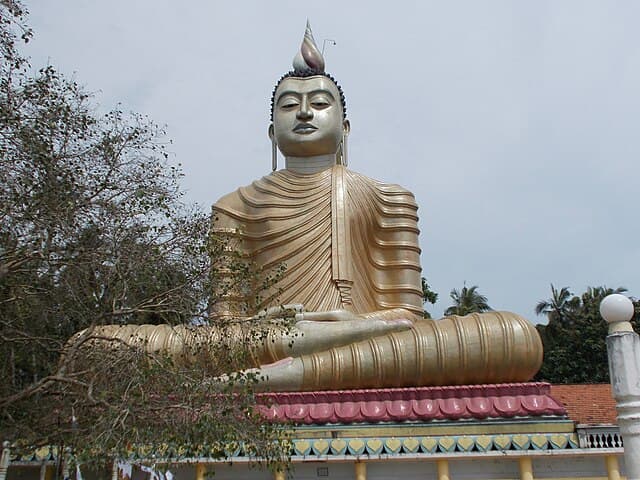
Weherahena Temple
A large seated Buddha and underground temple complex.
Parey Dewa Temple
Small island temple connected by a footbridge.
Matara Old Church
Colonial-era church near the fort area.
Polhena Beach
Calm bay for swimming and snorkeling.
Madiha Beach
Surf-friendly beach with a laid-back vibe.
Nilwala River
Riverfront scenery and boat rides near the fort.
When to Visit
- December to April offers the best south-coast beach weather.
- May to September is wetter with stronger seas.
- October to November can be rainy but quieter and green.
What to Wear
- Light, breathable clothing for coastal humidity.
- A cover-up for temple visits and religious sites.
- Sandals or water shoes for beaches and lagoon areas.
How to Get There
- Train from Colombo along the coastal line (about 3 to 4 hours).
- Private car via the Southern Expressway (around 2.5 to 3 hours).
- Bus services from Colombo, Galle, or Tangalle.
Location Map
Plan your route to Matara
Photo Gallery
Highlights of Matara
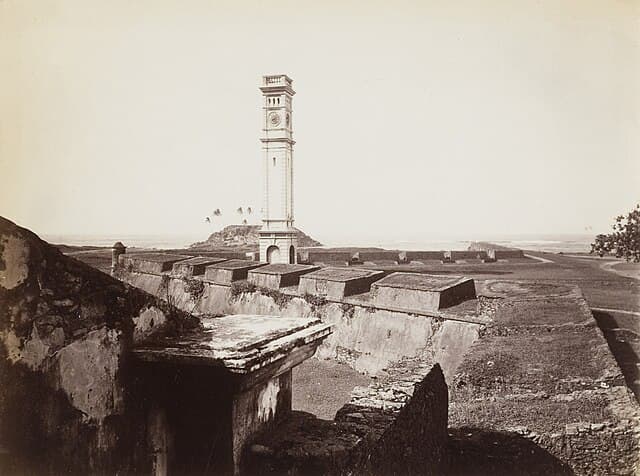
Matara Fort reflects the city’s colonial heritage.
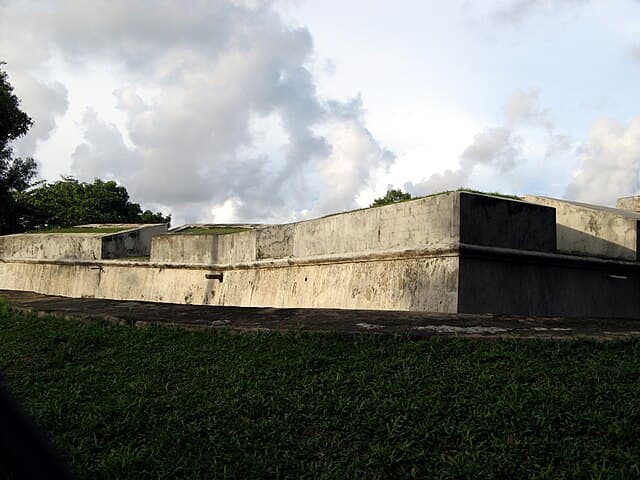
The Star Fort is a unique colonial landmark.
Weherahena Temple is one of Matara’s most iconic sites.
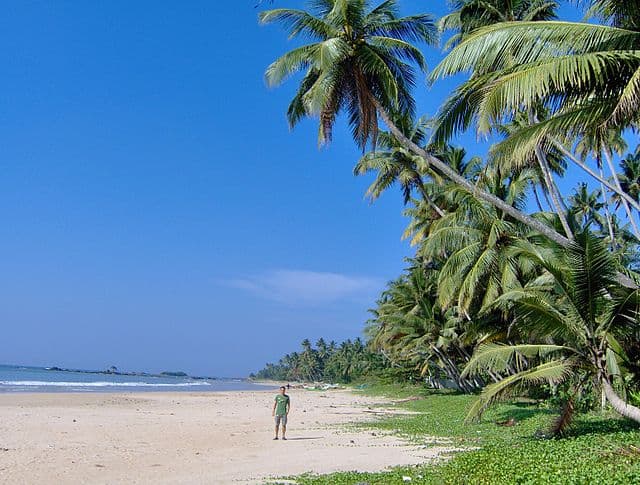
Polhena Beach offers calm water for swimming.
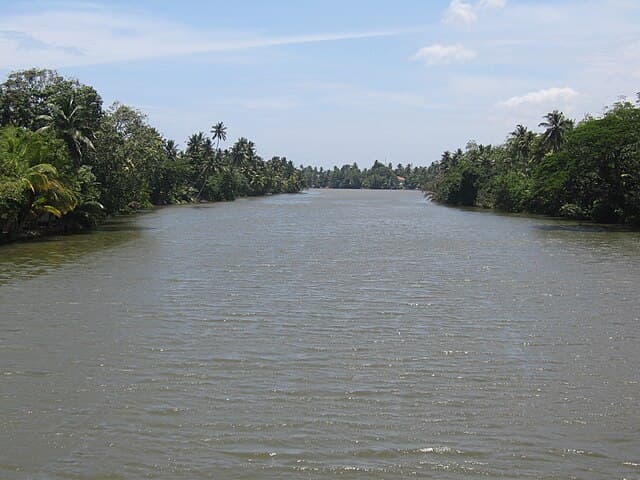
Nilwala River adds a peaceful backdrop to the town.
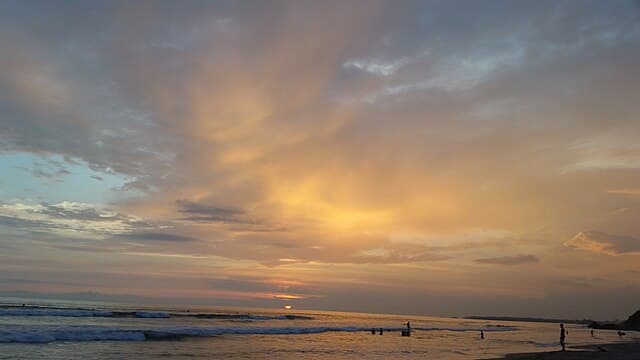
Sunsets are a highlight along the Matara coastline.
Signature Experiences
- Walk the fort walls at golden hour for river and ocean views.
- Visit Weherahena Temple for its underground shrine halls.
- Spend a beach day at Polhena or Madiha.
- Explore the Star Fort museum and historic ramparts.
- Take a short riverfront stroll along the Nilwala.
Travel Tips
- Start early for fort and temple visits before the midday heat.
- Try local seafood cafés along the coast.
- Use reef-safe sunscreen for beach days.
Nearby Attractions
Short trips from Matara
Mirissa
15 kmWhale watching, beach cafés, and sunsets.
Weligama
25 kmSurf town with beginner-friendly waves.
Dondra Lighthouse
8 kmSri Lanka’s southernmost point and scenic lighthouse.
Tangalle
45 kmQuieter beaches and lagoons to the east.
Getting Around
- Tuk-tuks are the easiest way to move around town.
- Walking is pleasant in the fort and town center areas.
- Private drivers are useful for day trips to nearby beaches.
Connectivity & Essentials
- 4G coverage is reliable in town and along the coast.
- ATMs and banks are available in the city center.
- Wi-Fi is common in hotels and cafés, with variable speeds.
Facilities Available
- Hospitals, clinics, and pharmacies are available in Matara.
- Supermarkets and markets cover daily essentials.
- Tour desks and transport services are easy to arrange.
Where to Stay
- Matara town for markets, transport, and central access.
- Polhena for beach access and quieter stays.
- Madiha for surf-focused cafés and beachfront guesthouses.
- Mirissa for a livelier beach base nearby.
Cost of Living
- Guesthouses and mid-range hotels offer good value.
- Local meals are affordable; beachfront dining costs more.
- Tuk-tuks are reasonably priced; confirm fares before rides.
Culture & Etiquette
- Dress modestly when visiting temples and religious sites.
- Ask before photographing locals or religious ceremonies.
- Respect local fishing communities and keep beaches clean.
Safety & Health
- Follow beach flags and local advice for swimming.
- Use sun protection and stay hydrated in the heat.
- Watch for slippery surfaces at the fort after rain.
Important to Know
- Temple visits require covered shoulders and knees.
- The fort area is best explored on foot in cooler hours.
- Beach conditions are calmer in the December to April season.
- Carry small cash for tuk-tuks and local markets.
Plan Your Visit to Matara
Map out a heritage route with forts, old towns, and colonial-era landmarks.